Discover Current Global Metal Market Trends
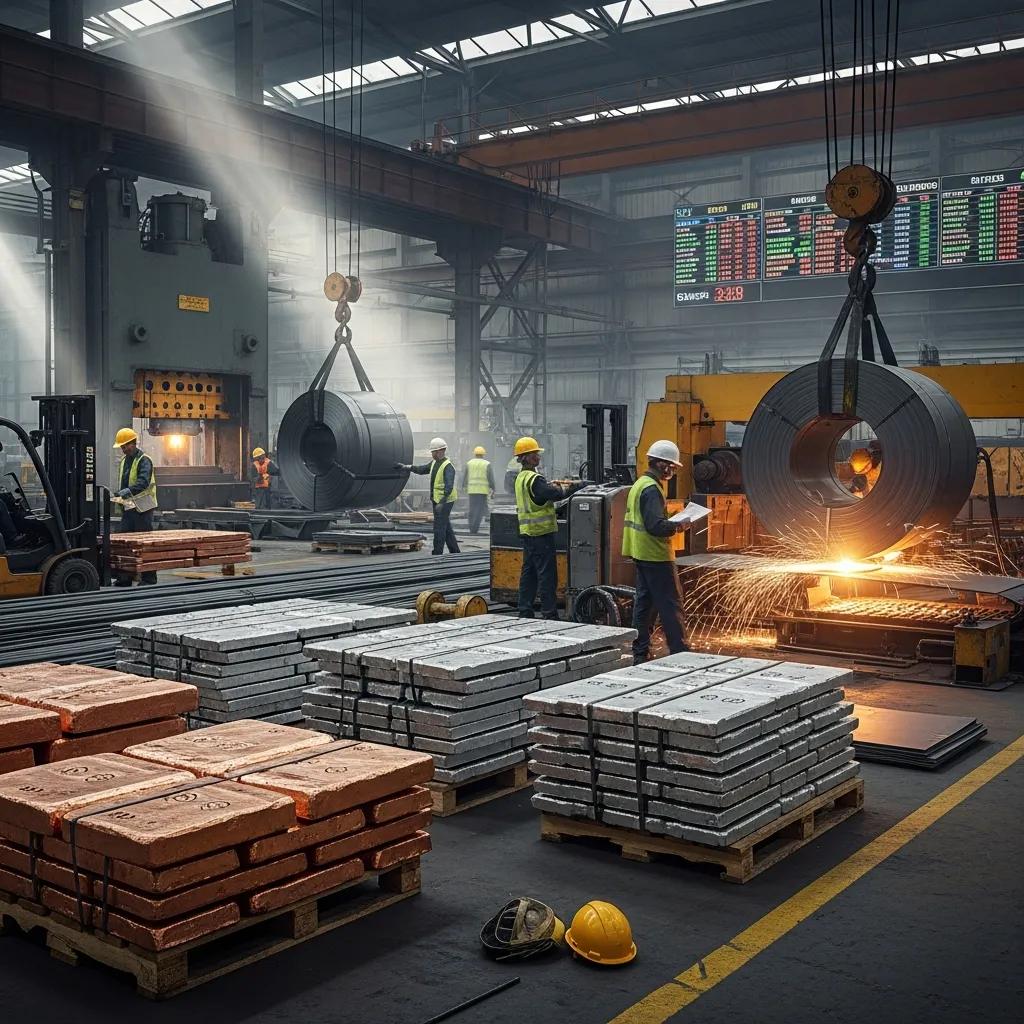
Discover Current Global Metal Market Trends: Comprehensive Analysis of Metal Prices, Demand, and Industry Forecasts
The global metal market is a dynamic landscape influenced by various factors, including economic conditions, technological advancements, and geopolitical events. Understanding current metal market trends is crucial for stakeholders, as it provides insights into pricing, demand dynamics, and future forecasts. This article delves into the latest trends in metal prices, the driving forces behind global demand, and the implications of mining production and commodity forecasts. By exploring these aspects, readers will gain a comprehensive understanding of the metal industry and its future trajectory. Key sections include an analysis of current metal prices, the impact of demand from various industries, and the role of mining production in shaping market dynamics.
What Are the Latest Metal Market Prices and Their Impact?
Current metal prices are pivotal in determining market trends and influencing various industries. Fluctuations in prices can significantly impact production costs, investment decisions, and overall economic stability. Understanding these price movements is essential for businesses and investors alike.
How Do Copper, Steel, and Aluminum Prices Fluctuate Globally?
Copper, steel, and aluminum are key metals whose prices are subject to global market dynamics. Recent trends indicate that copper prices have seen a rise due to increased demand from the renewable energy sector, while steel prices have fluctuated based on construction activity and trade policies. Aluminum prices have also been affected by supply chain disruptions and rising energy costs.
What Factors Influence Daily Metal Price Changes?
Daily metal price changes are influenced by a variety of factors, including economic indicators, supply chain issues, and geopolitical events. Economic growth in major markets can lead to increased demand, while disruptions in supply chains can cause price spikes. Additionally, geopolitical tensions can create uncertainty, further impacting prices.
How Is Global Metal Demand Shaping Market Dynamics?
Global metal demand is a critical factor in shaping market dynamics, driven by various industries such as construction, automotive, and technology. Understanding the current demand trends helps stakeholders make informed decisions regarding production and investment.
Which Industries Drive the Current Demand for Metals?
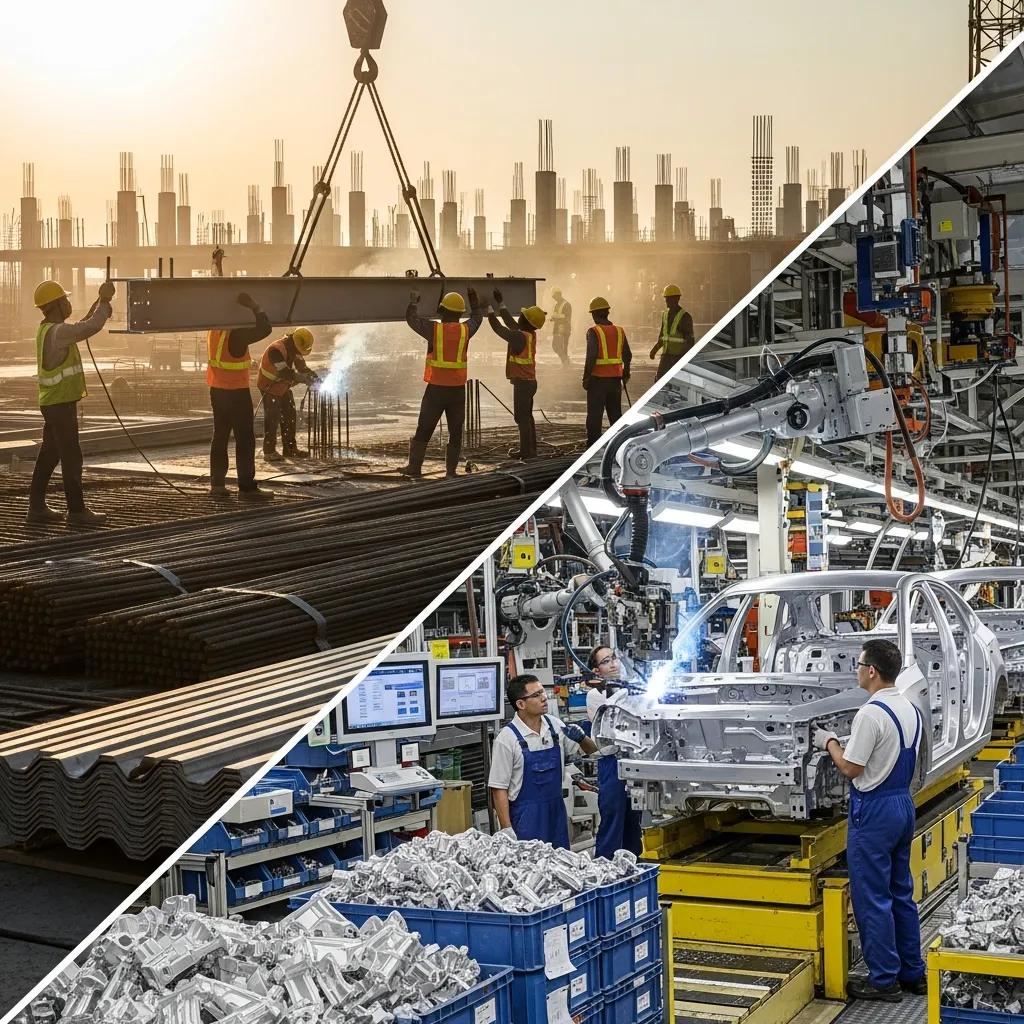
The construction industry is a significant driver of metal demand, with ongoing infrastructure projects requiring substantial amounts of steel and aluminum. The automotive sector also contributes to demand, particularly for lightweight metals that enhance fuel efficiency. Additionally, the technology sector’s need for metals in electronics and renewable energy technologies continues to grow.
How Do Regional Consumption Patterns Affect Metal Markets?
Regional consumption patterns play a vital role in influencing metal markets. For instance, emerging economies often exhibit higher growth rates in metal consumption due to rapid industrialization. In contrast, developed regions may experience stable or declining demand as industries mature. These variations can lead to significant price differences and market opportunities.
What Are the Key Trends in Mining Production and Supply?
Mining production trends are essential for understanding metal availability and market stability. The output levels of major mining companies directly affect the supply of metals, influencing prices and market dynamics.
How Are Mining Output Statistics Affecting Metal Availability?
Mining output statistics indicate the health of the metal supply chain. Recent data shows that while some regions have increased production, others face challenges due to regulatory changes and environmental concerns. This uneven production landscape can lead to supply shortages and price volatility.
What Role Do Major Mining Companies Play in Market Stability?
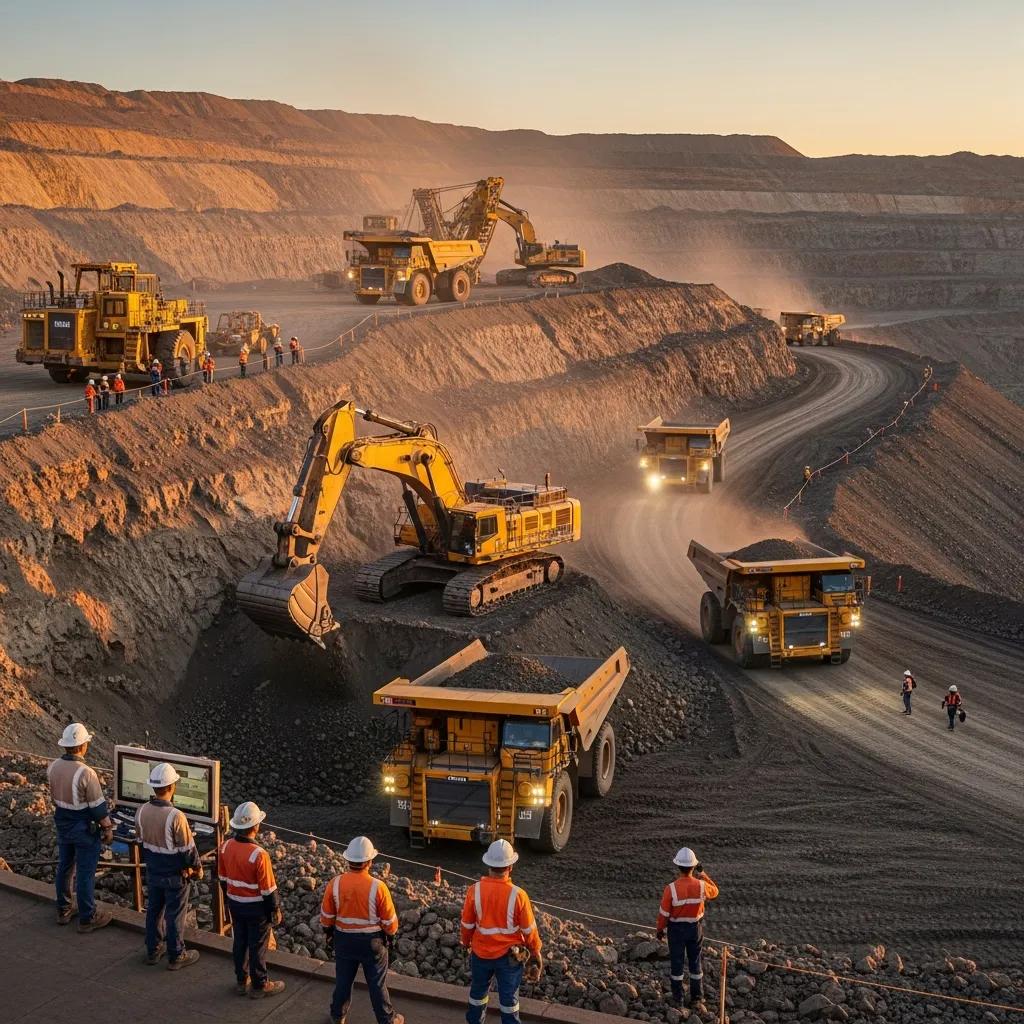
Major mining companies play a crucial role in maintaining market stability through their production decisions and investment strategies. By adjusting output levels in response to market conditions, these companies can help mitigate price fluctuations and ensure a steady supply of metals.
How Are Metal Commodity Forecasts Informing Industry Decisions?
Metal commodity forecasts provide valuable insights for industry stakeholders, helping them make informed decisions regarding production, investment, and pricing strategies. Understanding these forecasts is essential for navigating the complexities of the metal market.
What Are the Steel Production and Recycling Forecasts for 2026?
Forecasts for steel production indicate a continued emphasis on recycling and sustainable practices. By 2026, the industry is expected to see a significant increase in recycled steel usage, driven by both environmental regulations and economic incentives. This shift not only impacts production costs but also aligns with global sustainability goals.
How Do Market Analysts Predict Future Metal Price Trends?
Market analysts utilize various methodologies to predict future metal price trends, including historical data analysis, economic indicators, and supply-demand assessments. These predictions are crucial for businesses looking to strategize their operations and investments in the metal sector.
Which Industry Events and Market Data Enhance Metal Market Insights?
Industry events and real-time market data are invaluable for professionals seeking to stay informed about the latest trends and developments in the metal market. Networking opportunities and access to expert insights can significantly enhance decision-making processes.
What Upcoming Conferences and Trade Shows Should Professionals Attend?
Professionals in the metal industry should consider attending key conferences and trade shows, such as the International Metalworking Fair and the Global Metals Conference. These events provide opportunities to network, learn about emerging trends, and gain insights from industry leaders.
How Does Real-Time Market Data Improve Investment Strategies?
Real-time market data allows investors to make informed decisions based on current market conditions. By analyzing price movements and demand trends, investors can adjust their strategies to capitalize on opportunities and mitigate risks.
What Are the Environmental and Sustainability Trends in the Metal Industry?
Environmental and sustainability trends are increasingly shaping the metal industry, as stakeholders recognize the importance of responsible practices. These trends influence production methods, regulatory frameworks, and consumer preferences.
How Is Recycling Impact Changing Metal Market Forecasts?
The impact of recycling on metal market forecasts is profound, as increased recycling rates can lead to reduced demand for virgin materials. This shift not only helps conserve resources but also aligns with global sustainability initiatives, making recycling a key focus for the industry.
What Are the Environmental Challenges Facing Metal Production?
Metal production faces several environmental challenges, including emissions, waste management, and resource depletion. Addressing these challenges requires innovative solutions and a commitment to sustainable practices, which are becoming increasingly important for industry stakeholders.
Indeed, achieving true sustainability in the metal industry, particularly for high-tech applications, presents significant hurdles that require a concerted effort across the entire metal life cycle.
Metal Sustainability Challenges in High-Tech Society
Achievement of sustainability in metal life cycles from mining of virgin ore to consumer and industrial devices to end-of-life products requires greatly increased recycling rates and improved processing of metals using conventional and green chemistry technologies. Electronic and other high-tech products containing precious, toxic, and specialty metals usually have short lifetimes and low recycling rates. Products containing these metals generally are incinerated, discarded as waste in landfills, or dismantled in informal recycling using crude and environmentally irresponsible procedures. Low recycling rates of metals coupled with increasing demand for high-tech products containing them necessitate increased mining with attendant environmental, health, energy, water, and carbon-footprint consequences. In this tutorial review, challenges to achieving metal sustainability are discussed.
Challenges to achievement of metal sustainability in our high-tech society, RM Izatt, 2014